We Need Your Help!
We need your help! Ice caps are melting, polar bears are dying as the ice below them gives away. Donate to stop Global Warming today and save a life.
Donate Today
We need your help! Ice caps are melting, polar bears are dying as the ice below them gives away. Donate to stop Global Warming today and save a life.
Donate TodayThe process of extracting CO2 from ambient air by continuously cycling a sorbent or solvent through capture and release is known as direct air capture. Any kind of permanent storage can then be used with the CO2 stream that is produced.
Donate now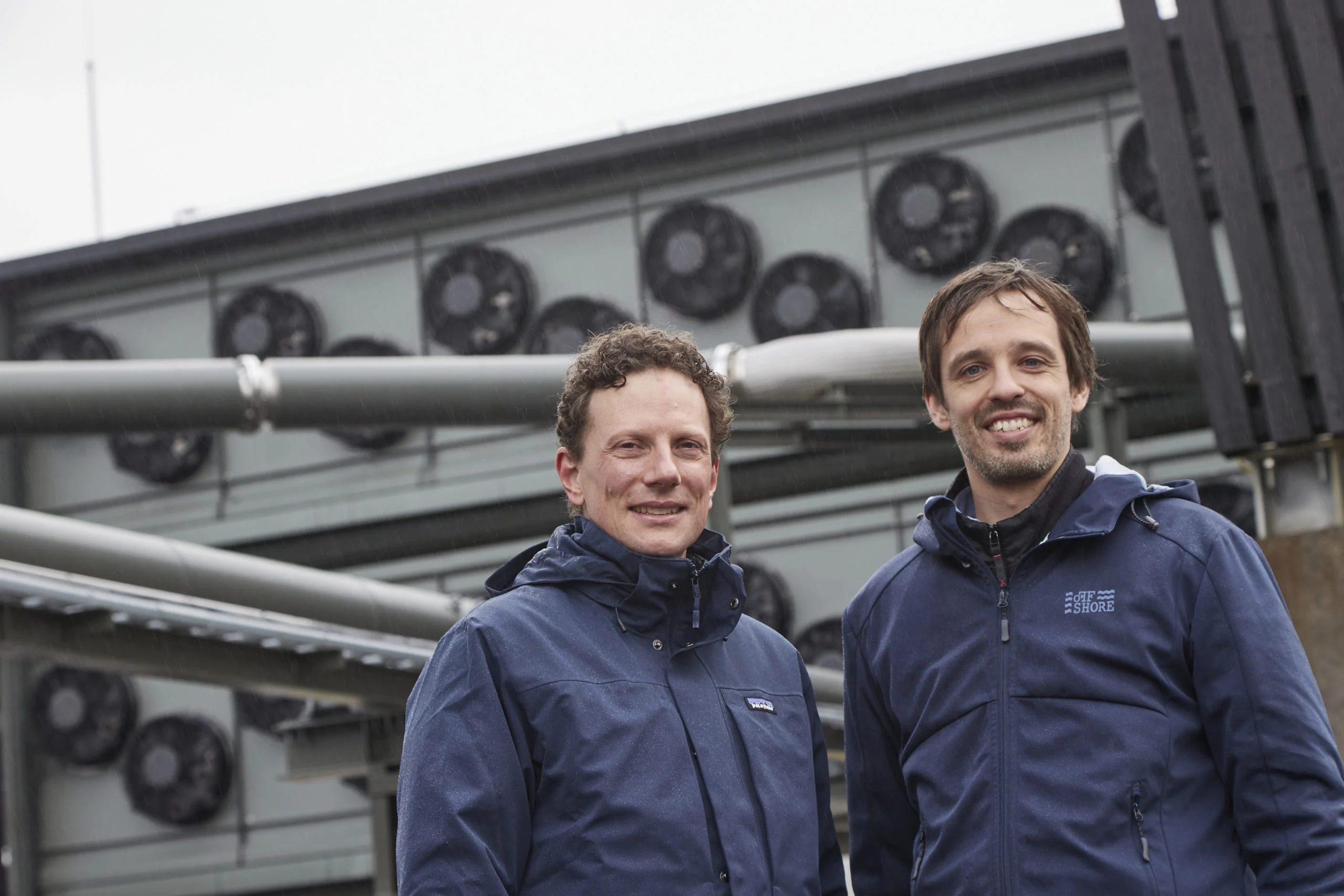
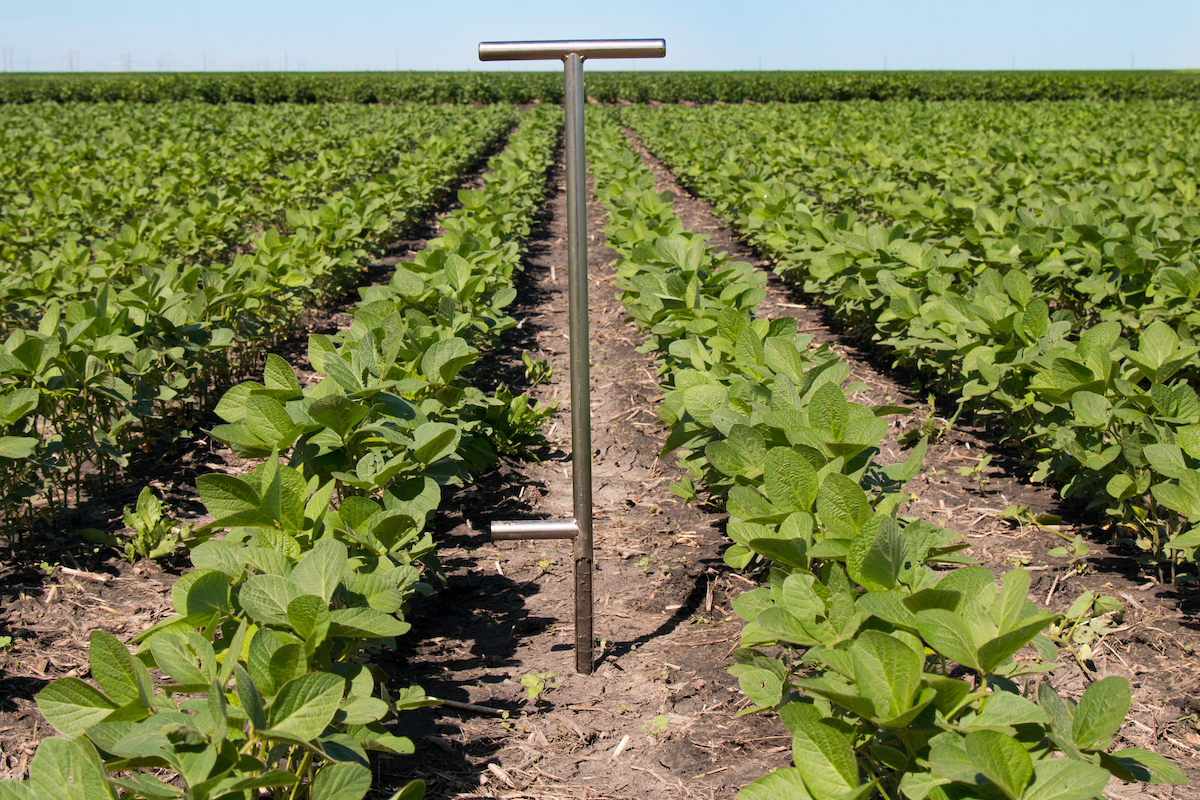
When alkaline materials are exposed to CO2 and precipitation, their natural weathering process is accelerated. As a result of the process, CO2 can be permanently stored as bicarbonate.
Donate NowBiomass carbon removal and storage mechanisms, which naturally extract CO2 from the atmosphere through photosynthesis, permanently store CO2 from waste biomass. Gasification, pyrolysis, and biomass burial are a few examples.
Donate now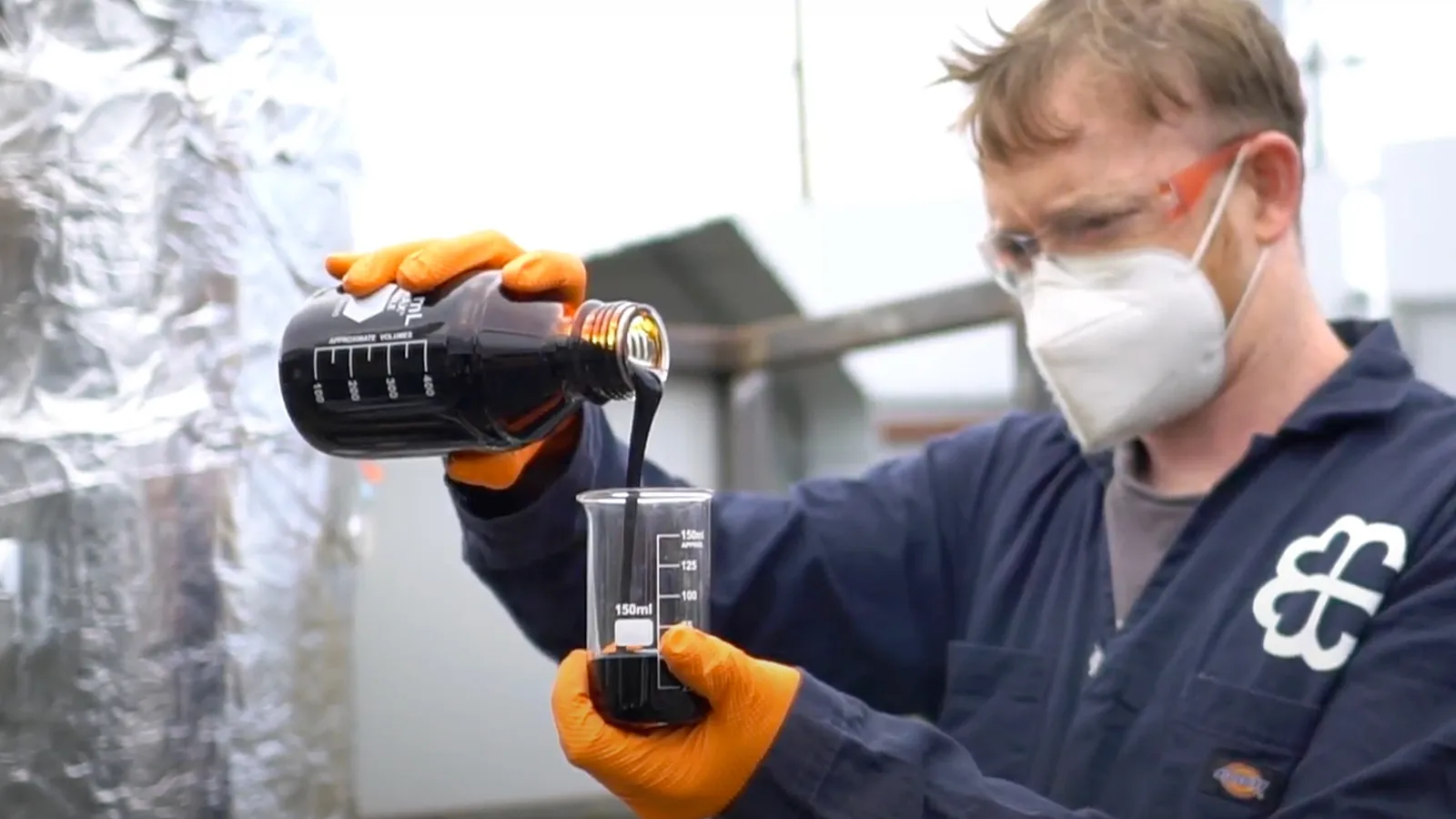
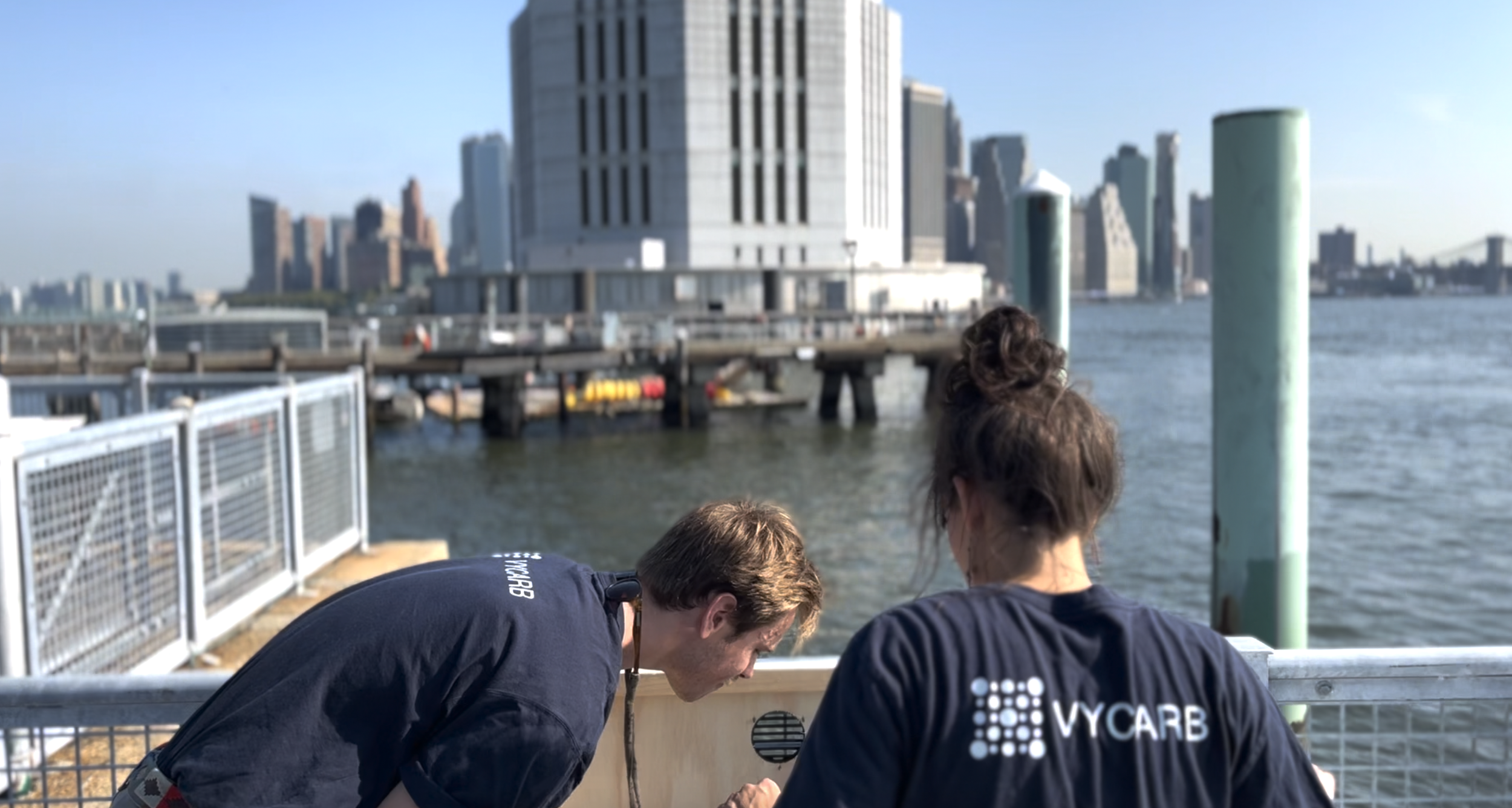
Processes known as "ocean alkalinity enhancement" improve the ocean's innate capacity to absorb CO2 from the atmosphere. Extra CO2 is stored in saltwater as stable bicarbonate and carbonate, which can be obtained by removing acid or by adding alkalinity.
donate nowStorage refers to methods that enable a stream of CO2 to mineralize into stable carbonates. Examples include subsurface mineralization in basalt rock or building materials like cement.
donate now
Through the extraction of CO2 from the ocean (as opposed to the air), direct ocean removal techniques produce discharge water that has lost carbon, making it more capable of absorbing CO2 from the atmosphere. Following extraction, the CO2 can be combined with various forms of long-term storage.
Donate now